Projects
Main projects in the pipeline.
The Spacefarer Phenome | Data
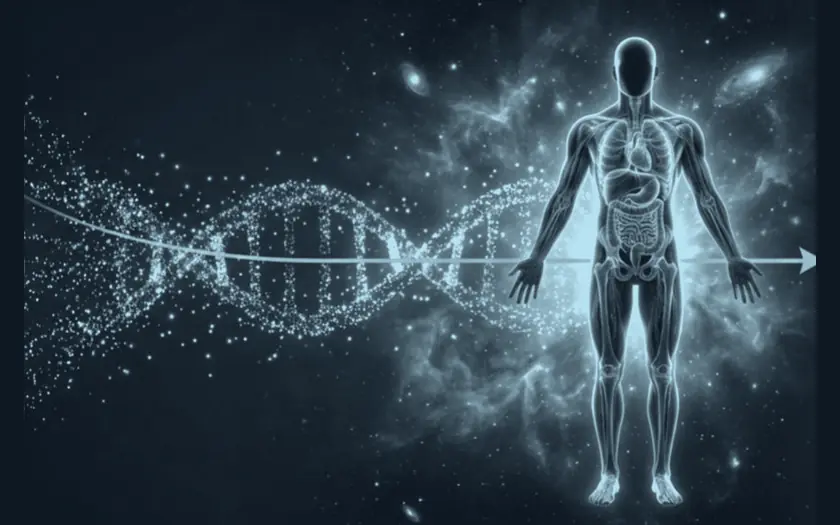
The Spacefarer Phenome is the concept of an optimized collection of human phenotypic traits, dictated by genetics, that are specifically adapted for the rigors of space exploration and life in extraterrestrial environments. It encompasses the idea of identifying or engineering these traits to enhance human resilience against space-related challenges, such as increased radiation, microgravity, and isolation, aiming to improve the feasibility and sustainability of long-duration space missions and off-world colonization.
Enzyme engineering for crosslinked collagen turnover | AI
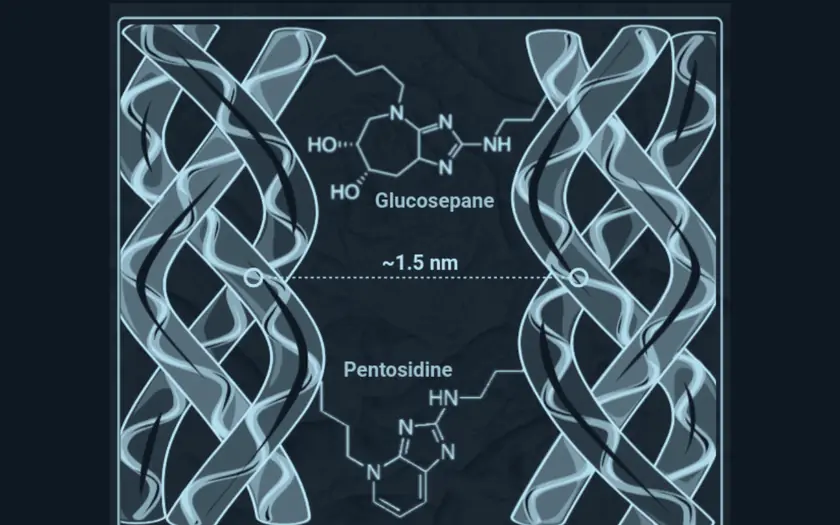
The project posits extracellular matrix (ECM) stiffening as the upstream cause of the hallmarks of aging and proposes leveraging generative AI to engineer matrix metalloproteinases (MMPs) capable of degrading sugar-modified, or glycated, collagen that resists normal remodeling. The work aims to overcome hitherto irreparable forms of damage through engineered ECM turnover, offering its first therapeutic application in diabetic nephropathy using enhanced glyoxalase I and MMPs-3, -9, targeting both intracellular and extracellular glycation damage in kidneys.
The Extracellular Matrix Aging Atlas | Data
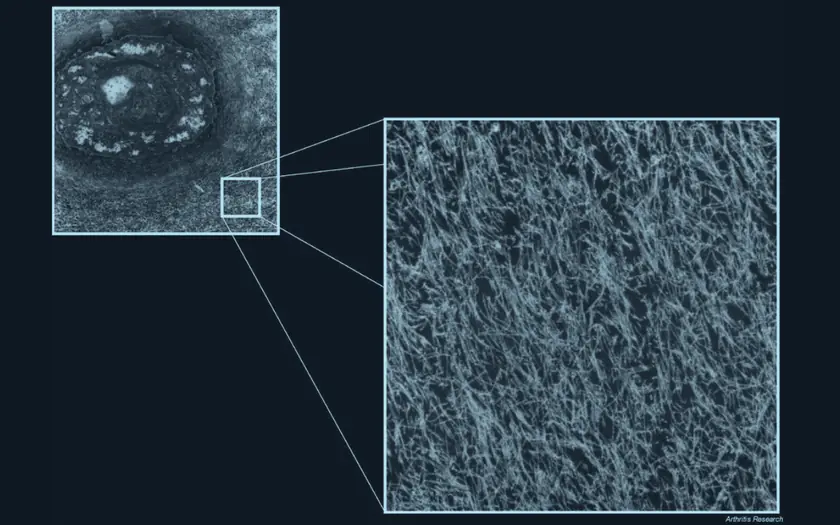
The Extracellular Matrix (ECM) Aging Atlas is a knowledge base that collects time-resolved matrisome signatures extracted from public proteomic datasets. The ECM is a complex substance localized in the extracellular space, serving as a medium where cells reside. It provides anchoring support and is a mechanical and biochemical environment directing cellular functions and processes through a variety of stimuli, prompting gene expression profiles to reflect developmental and physiological contexts. As a dynamic structure, the ECM's composition changes as a function of age, but there has been a lack of unified, consensual understanding of these qualitative and quantitative aspects. The ECM Aging Atlas aims to aggregate published datasets into a database of the ECM aging signatures to better understand how the ECM composition and its changes impact aging across different tissues.
Advanced glycation end product (AGE)-degrading enzymes | AI
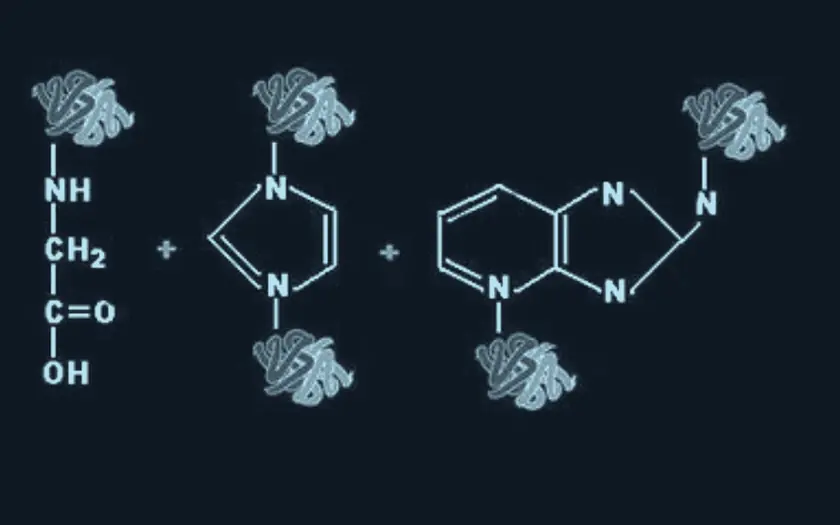
The project addresses a critical gap in aging research by targeting the issue of tissue stiffening caused by random irreversible chemical damage in the extracellular matrix (ECM). This damage, primarily in the form of crosslinks and adducts, is largely due to the accumulation of advanced glycation end products (AGEs), which are closely linked to pathomechanisms of aging. The proposed solution involves developing specialized enzymes engineered to break down these AGEs, thereby potentially reversing or mitigating one of the key contributors to the aging process.
Glycation of ribosomes as a driver of proteostasis loss | Cell biology
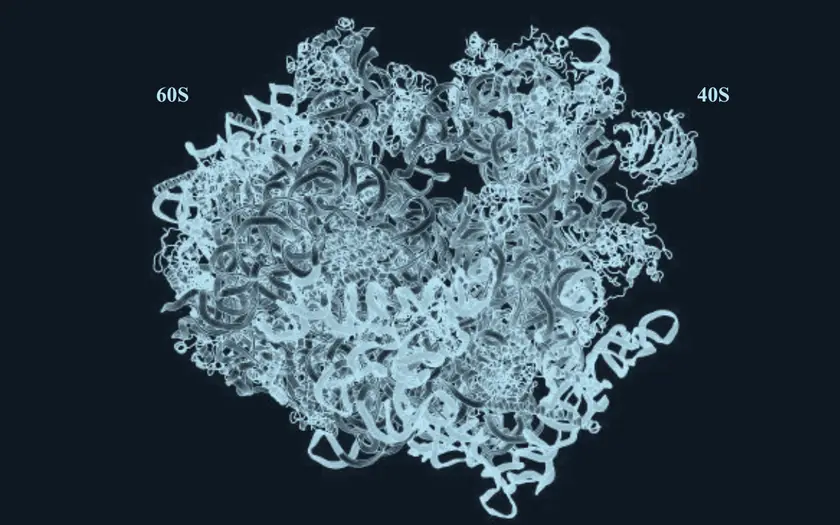
In this exploration, we propose a novel hypothesis centered on the abundant potential for glycation within the ribosome, suggesting that such modification could lead to an altered error rate in protein synthesis. This presumed increase in errors could, in turn, enhance the production of improperly folded polypeptides, unveiling a previously unexplored pathway through which proteostasis — the delicate balance of protein maintenance — is compromised. This mechanism intricately links the precise regulation of proteostasis to the random nature of glycation. By delving into this novel aspect of translation fidelity, especially its connections to metabolism, our research aims to chart a path toward innovative interventions for extending healthy life, offering new strategies to combat the pathologies associated with protein misfolding.